
Sri Surya Pahar Goalpara
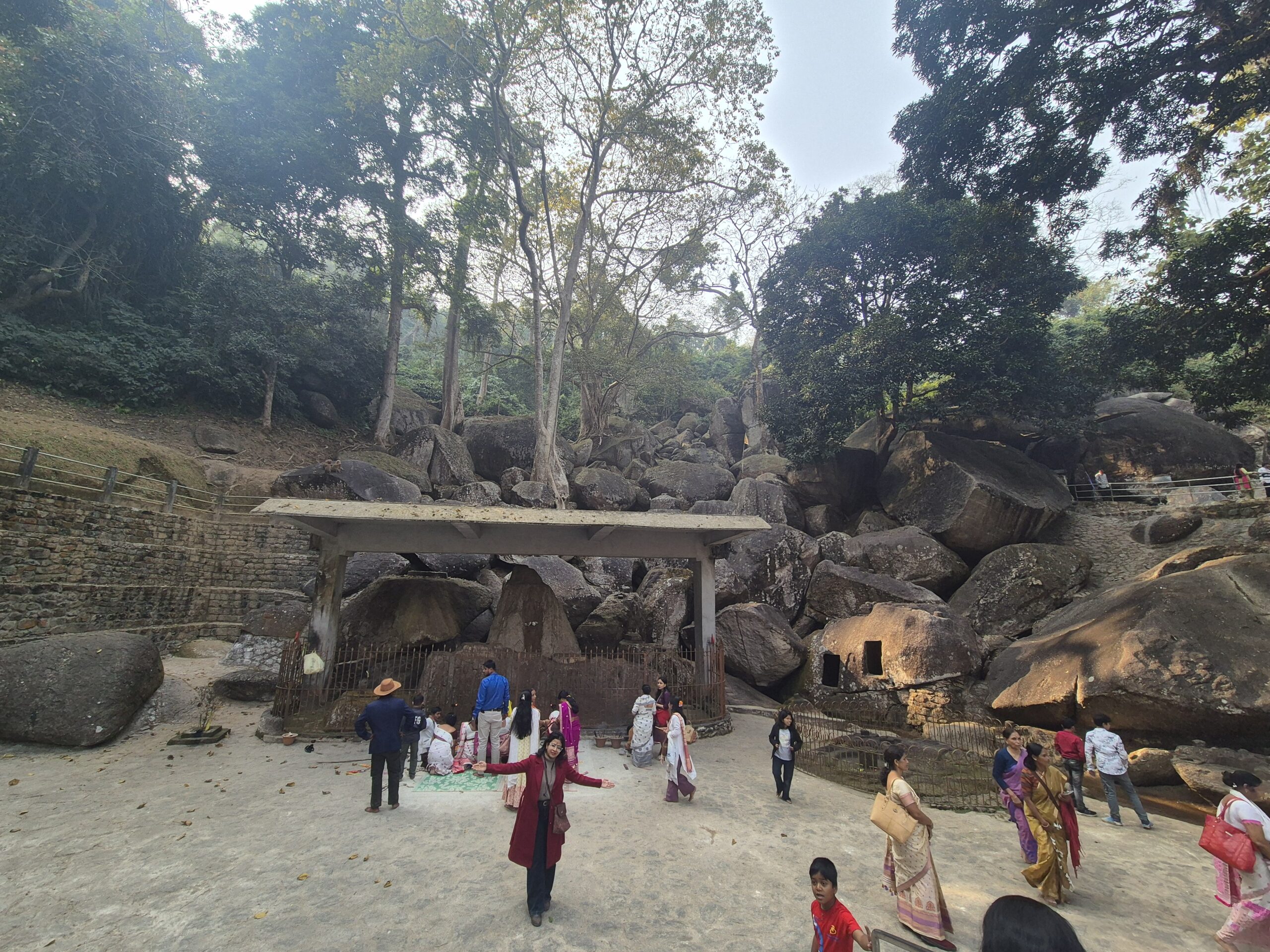
My father and I had the honour of travelling to Sri Surya Pahar in the Goalpara district of Assam on January 18, 2026.What set out as a personal journey quickly evolved into a profoundly fascinating scholarly investigation.As someone who appreciates history, culture, and records, this trip to Sri Surya Pahar evolved from a family picnic into a field study of one of the most important archaeological sites in Assam.Sri Surya Pahar, which is about 12 kilometres from Goalpara town, is frequently referred to as a “Mini Khajuraho of Assam” because of its numerous rockcut sculptures and temple ruins.But beyond the surface, there is a complex past that presents countless opportunities for historians, scholars, archaeologists, and cultural historians.
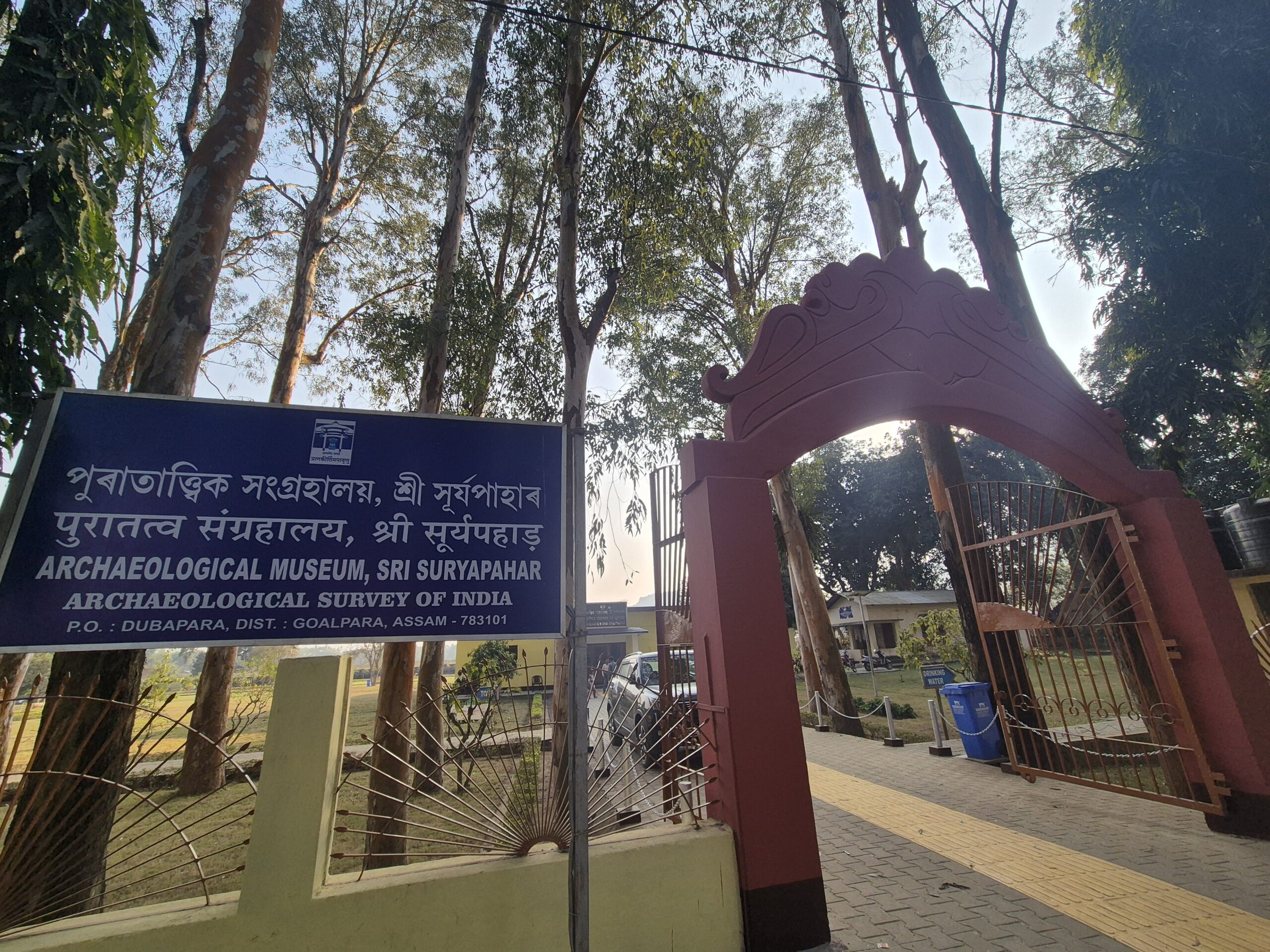
Historical Significance of Sri Surya Pahar
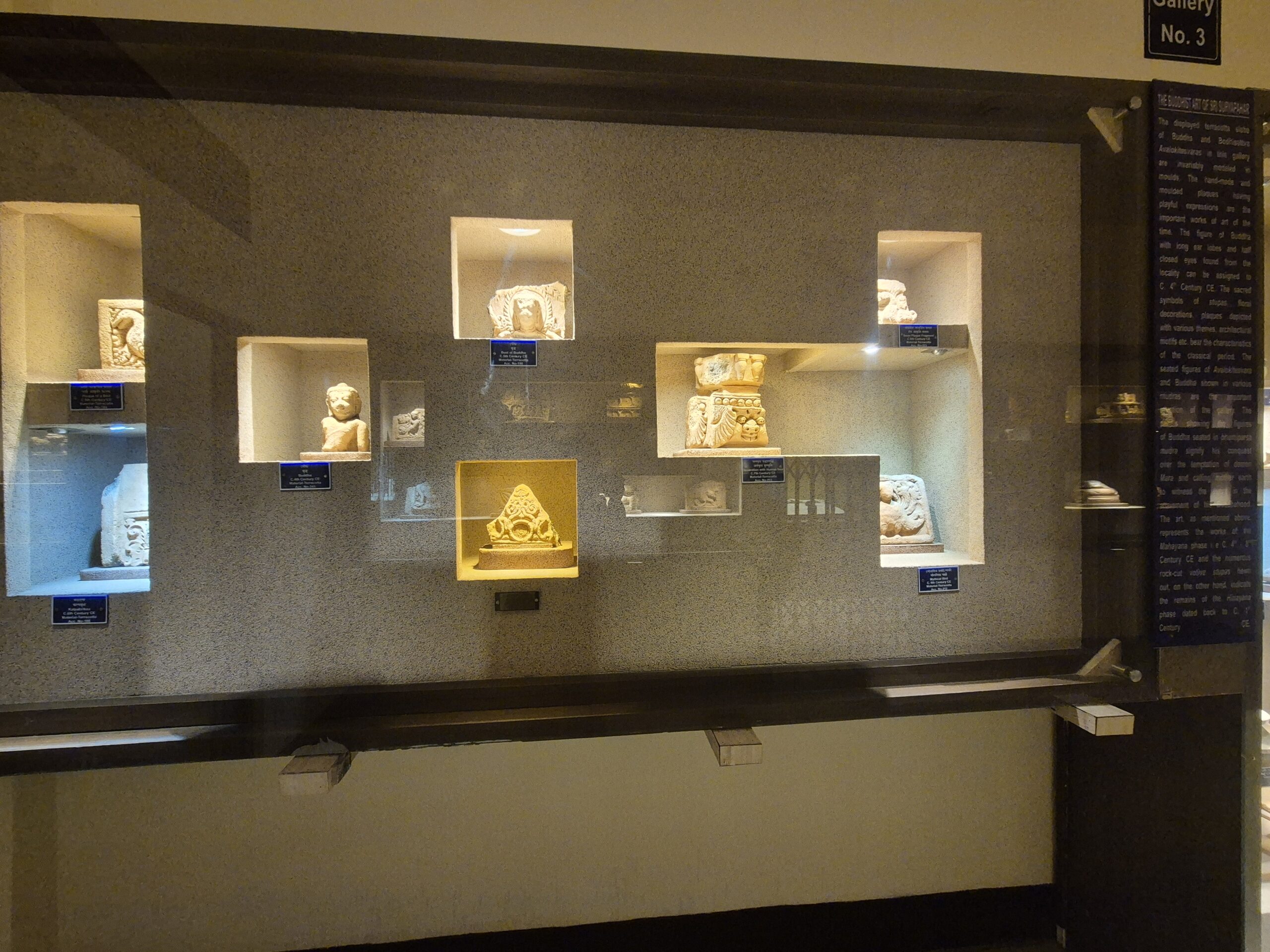
It is estimated that Sri Surya Pahar was built during the ninth and twelfth centuries CE. Because it represents a singular fusion of three great religions—Hinduism, Buddhism, and Jainism—the location has enormous historical significance. Stone inscriptions and sculptures from a few locations in India show this kind of religious coexistence. “The Hill of the Sun God” is the true meaning of Sri Surya Pahar’s name. According to scholars, the location was previously a significant hub for Sun worship. This is corroborated by architectural pieces that resemble ancient solar shrines and rock carvings of Surya, the Sun God.Sri Surya Pahar offers researchers investigating similarities in religion in Northeast India significant concrete evidence of spiritual harmony and cross-cultural interaction.
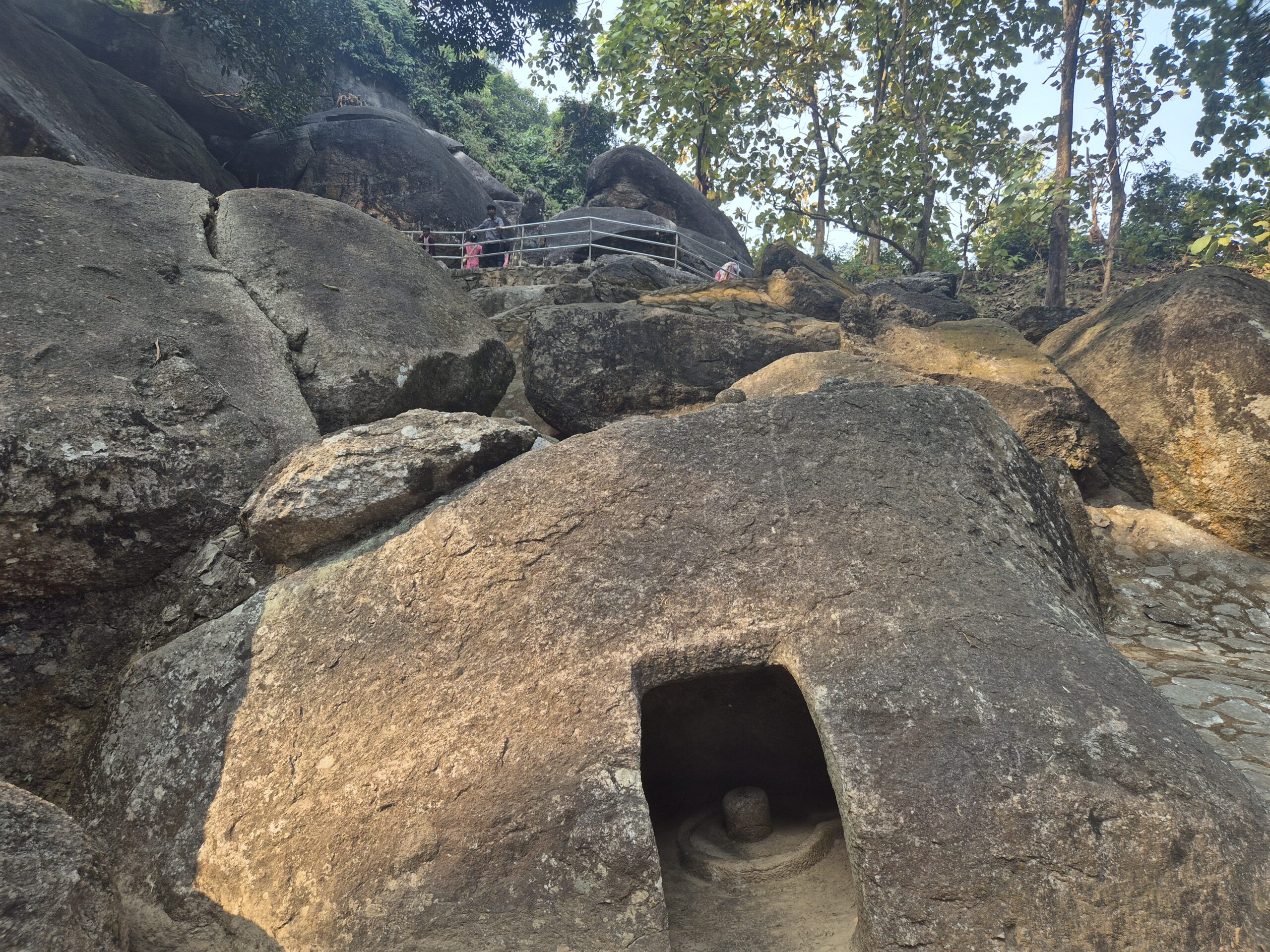
Archaeological Features Observed at Sri Surya Pahar
During our visit on 18th January 2026, I carefully observed and documented several important features of Sri Surya Pahar that are of academic interest:
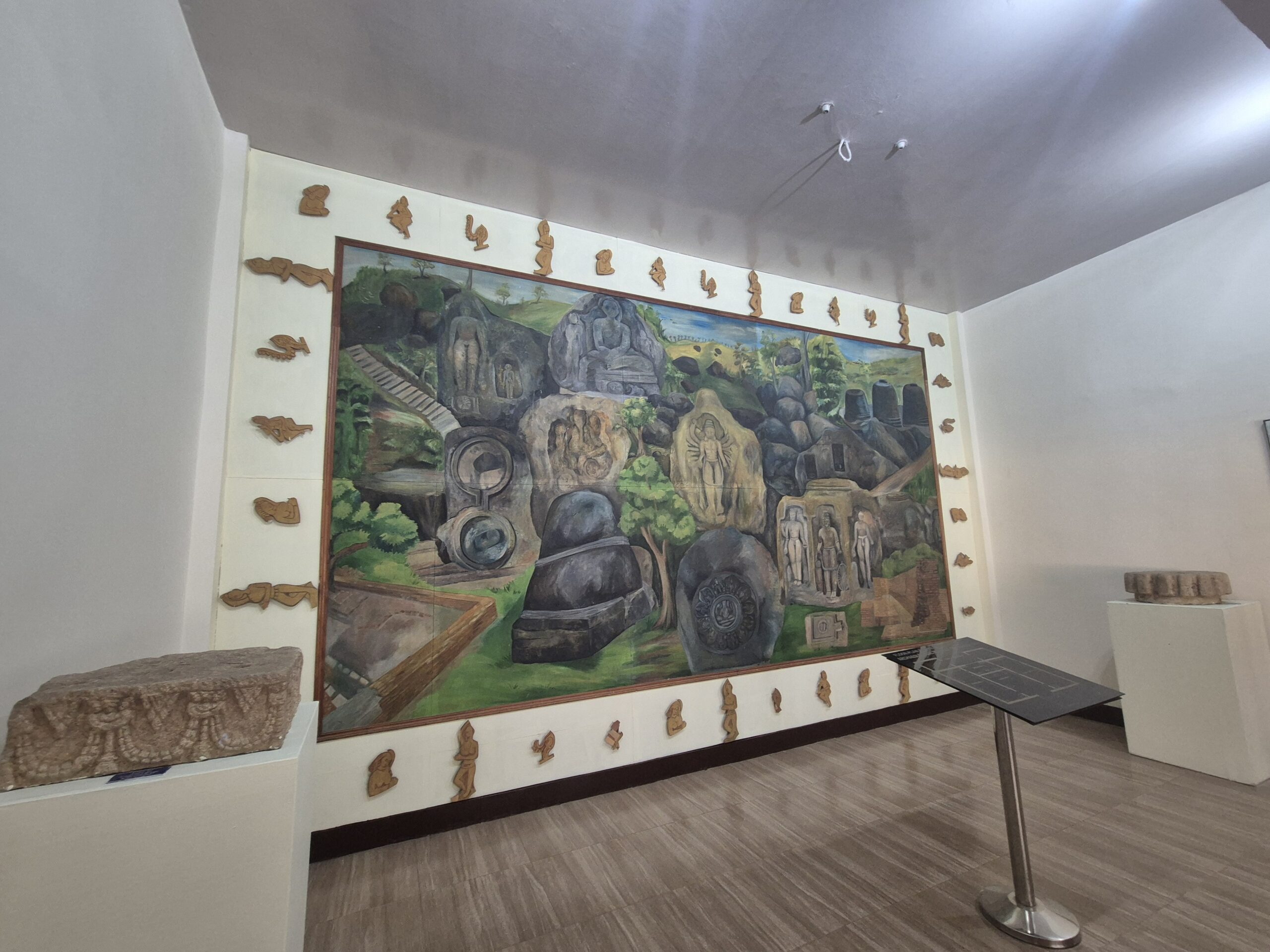
1.Rock-Cut Sculptures
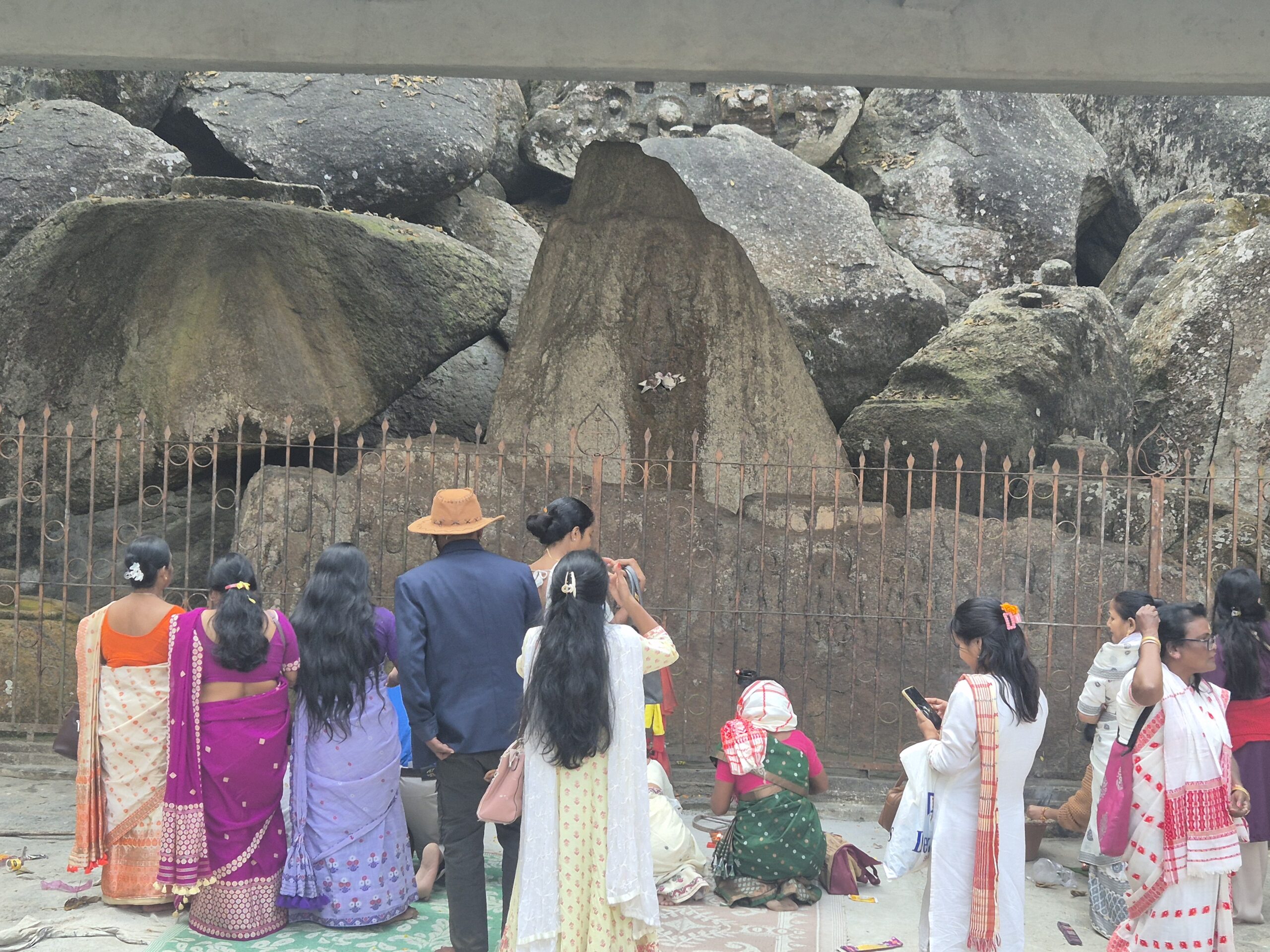
One of the most striking aspects of Sri Surya Pahar is the abundance of rock-cut carvings spread across the hill slopes. These carvings include:
- Hindu deities such as Shiva, Vishnu, and Surya
- Numerous Shiva Lingas carved directly into the rock
- Jain Tirthankara figures
- Possible Buddhist motifs
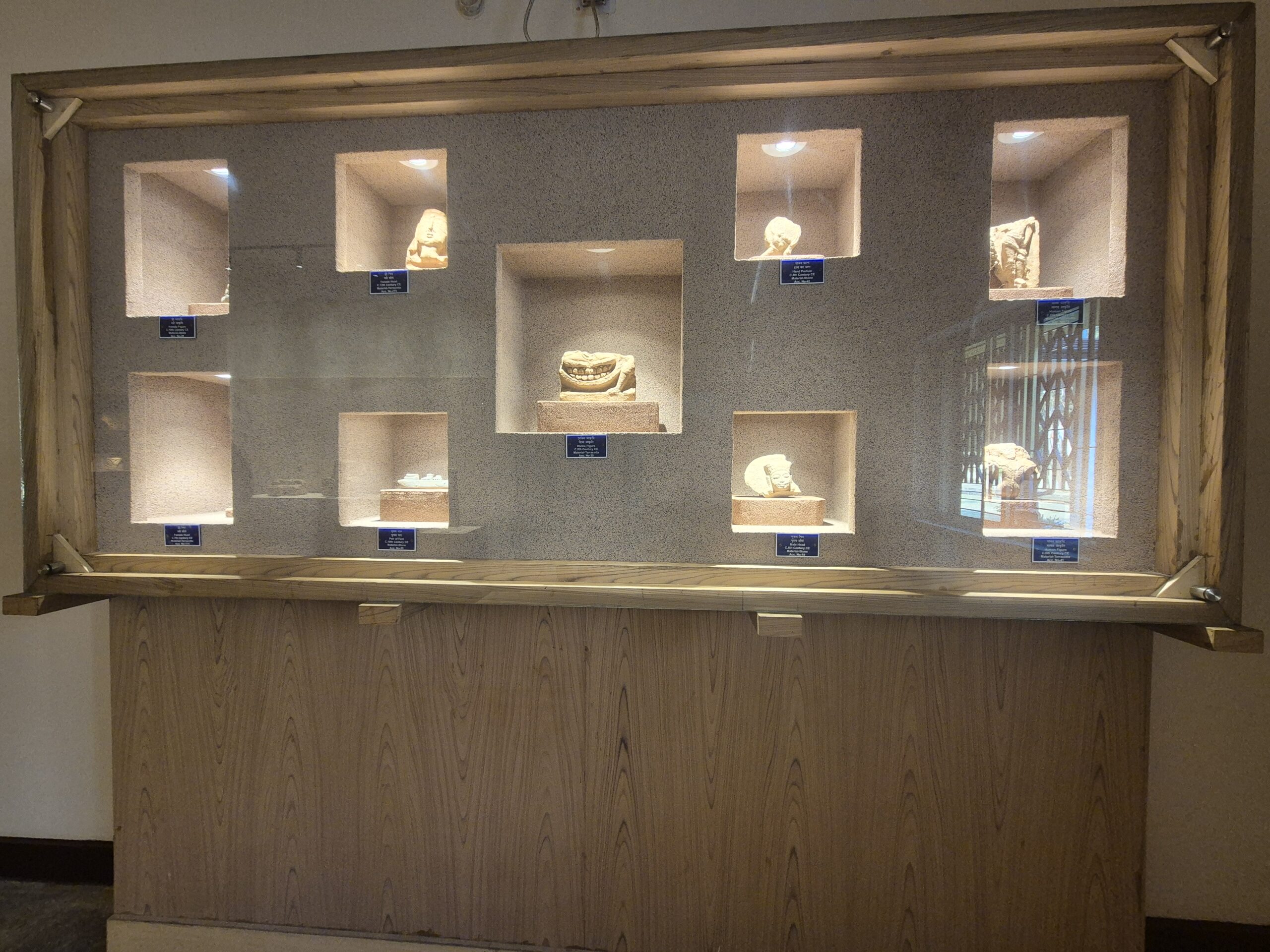
The presence of multiple Shiva Lingas carved in a systematic pattern suggests that the site was once a significant Shaivite center. Some scholars even speculate that the 99,999 Shiva Lingas mentioned in local folklore may refer symbolically to the vast number carved across the hill.
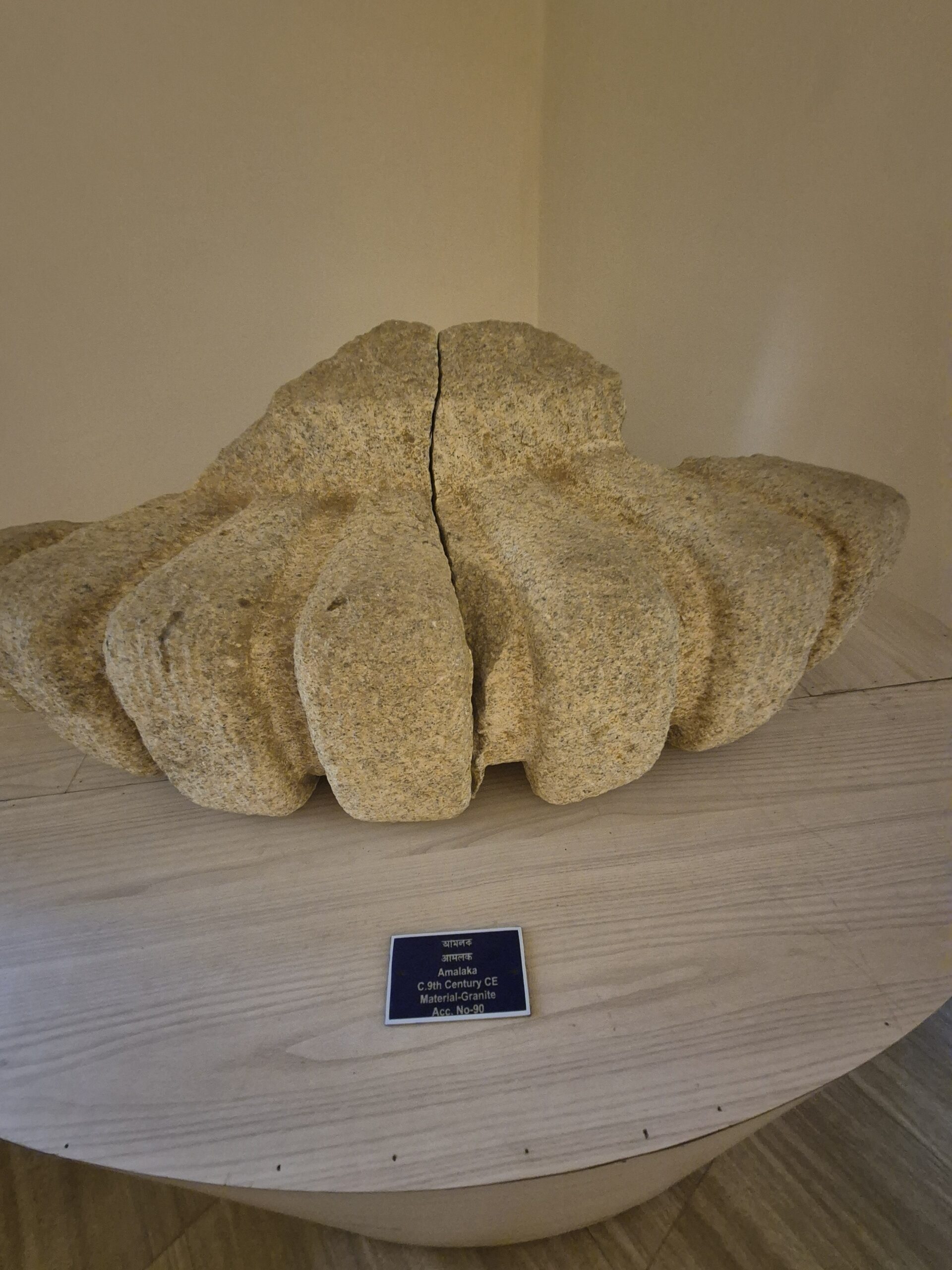
2.Temple Ruins and Structural Remains
The site includes the traces of brick and stone temples in addition to rock inscriptions. The architectural remnants point to the Kamrupa region’s early mediaeval temple-building practices as a source of inspiration. The use of unusually broad and thin bricks is characteristic of Assamese architecture from the early mediaeval period. These architectural relics give archaeologists hints about the building methods, urban design, and religious support of the time.
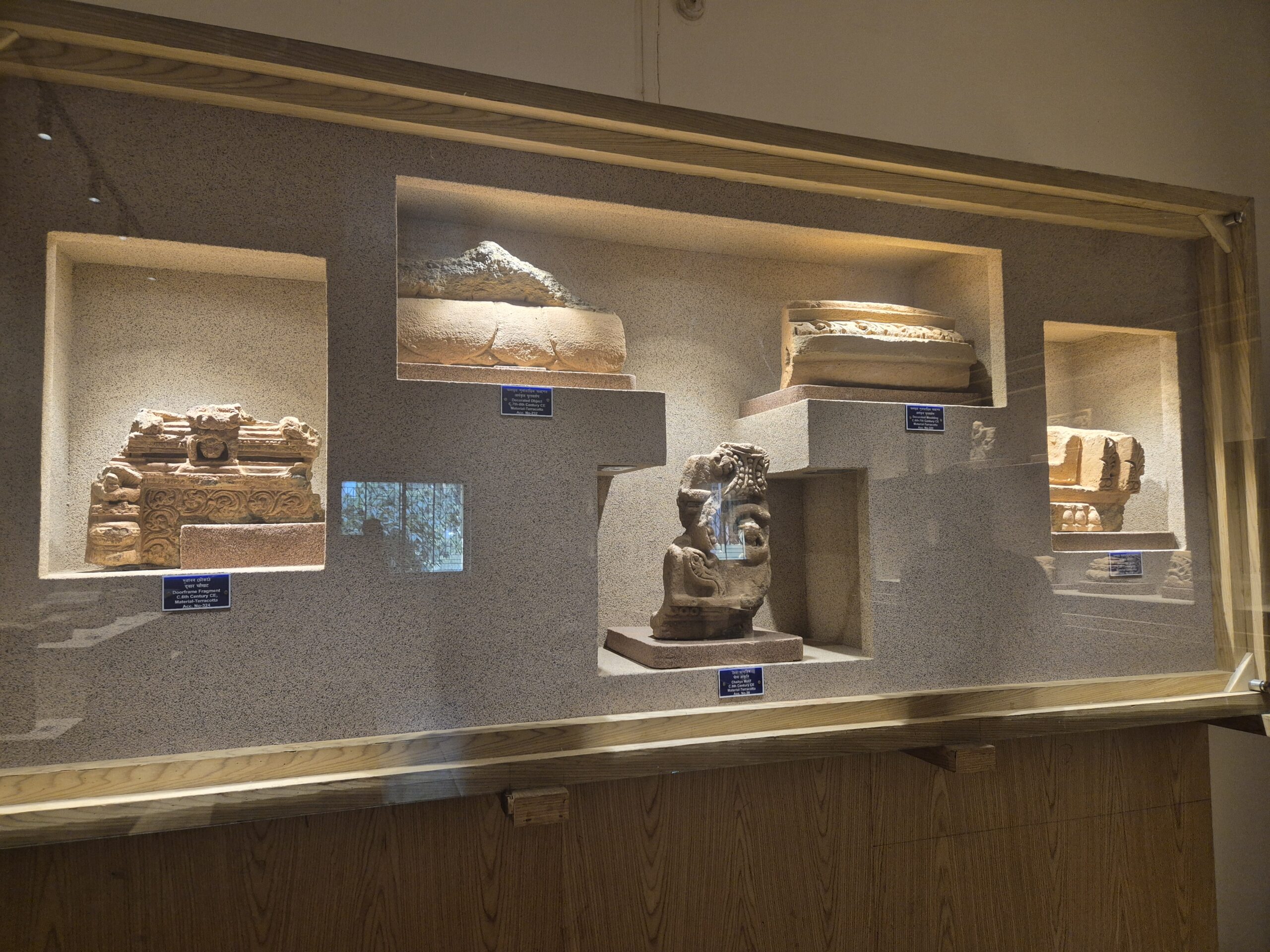
3.Jain Influence
The fact of Jain sculptures is among Sri Surya Pahar’s interesting features. Images of Jain Tirthankaras have been found, proving that Jainism arrived in the Brahmaputra valley considerably earlier than previously thought. Research on commercial routes, migration trends, and cultural interchange between Northeast India and other regions of the subcontinent is now possible because to this.
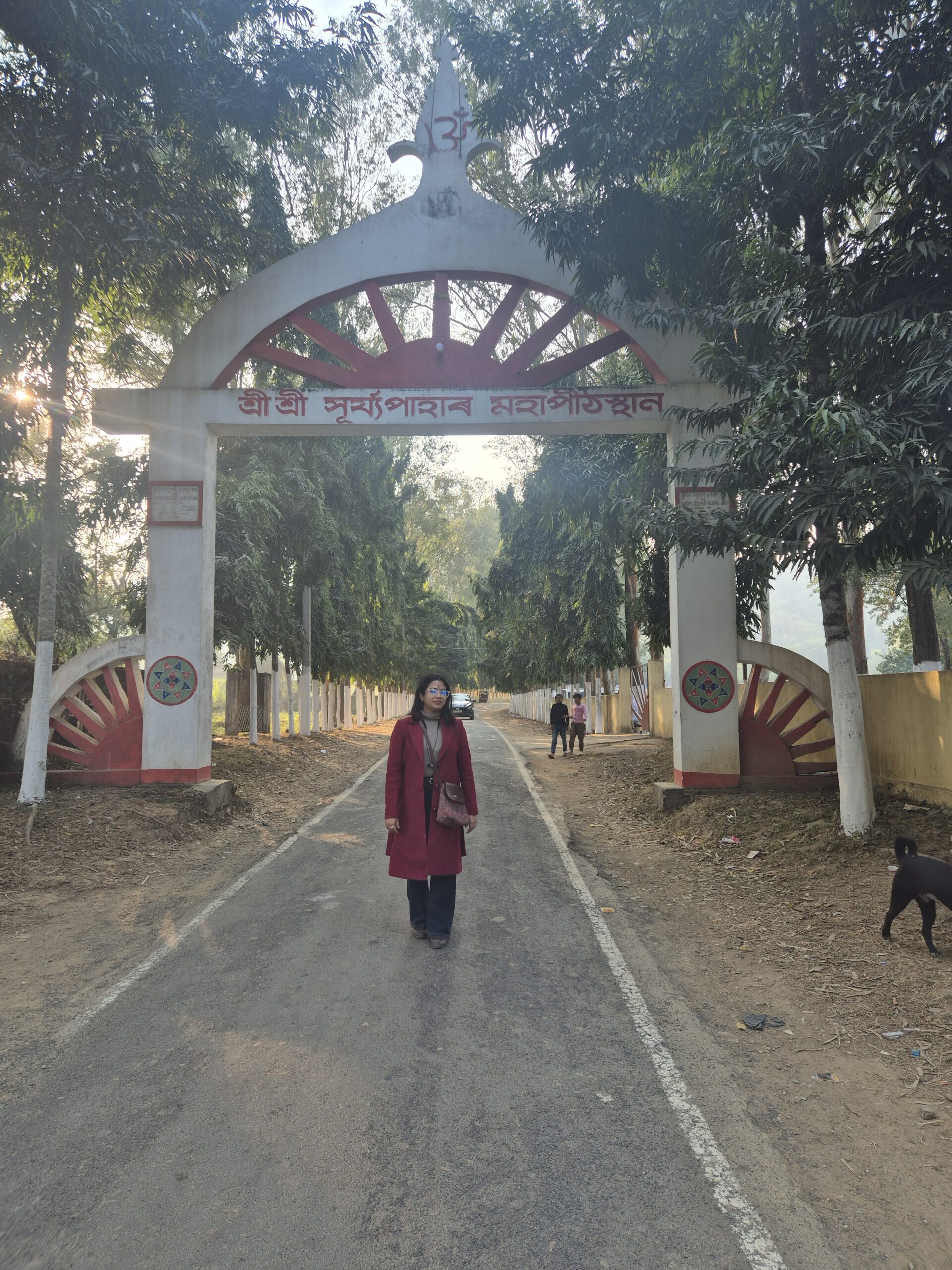
4. Natural Landscape and Strategic Location
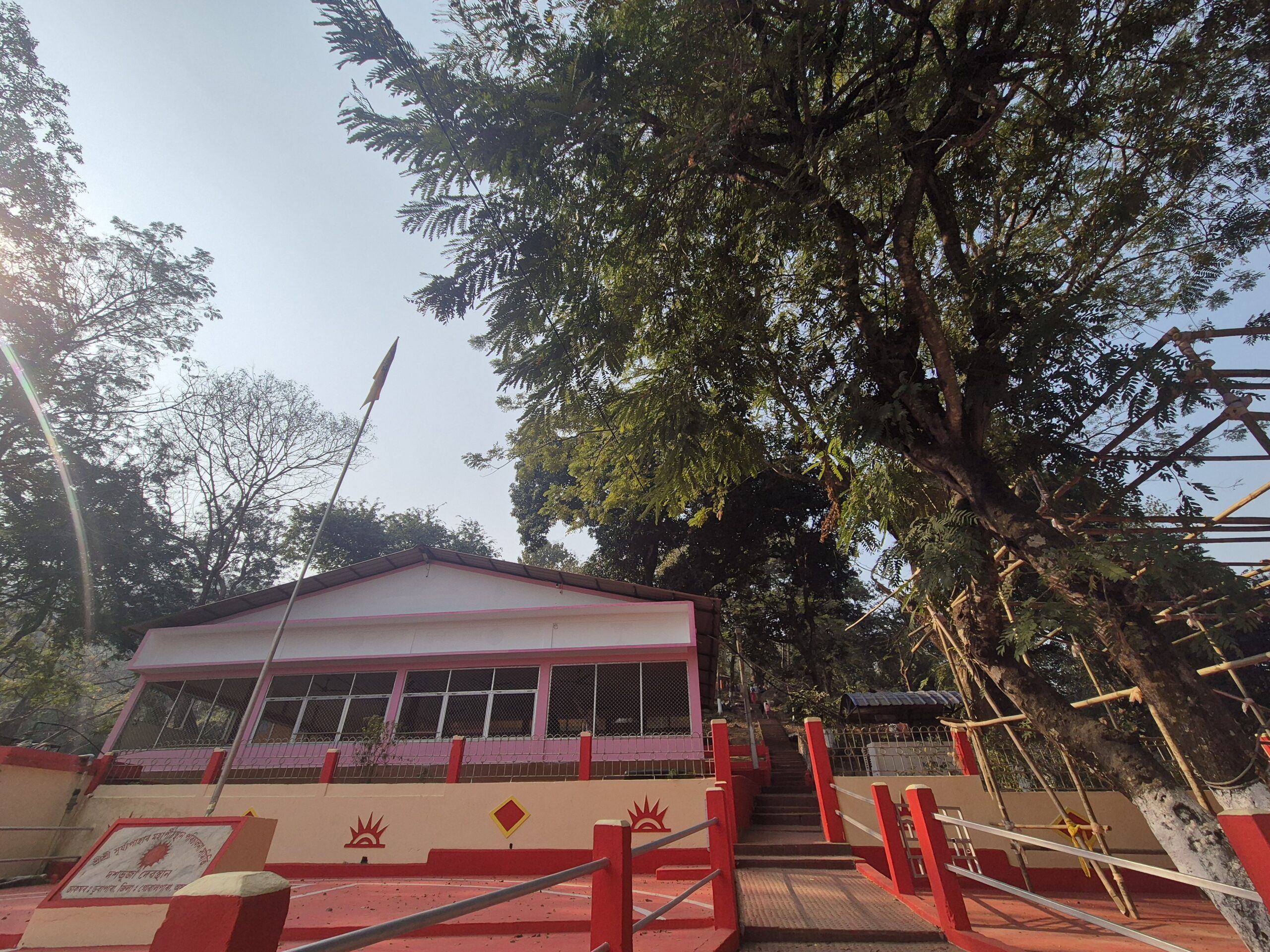
With wide-ranging views of the Brahmaputra valley, Sri Surya Pahar is surrounded by picturesque hills. Because of their defensive advantage and spiritual significance, such high places were frequently selected for religious institutions from a geographical and strategic viewpoint.In addition to providing environmental context for archaeological research, the surrounding terrain enhances the location’s spiritual atmosphere.
Personal Reflection: A Visit with My Father
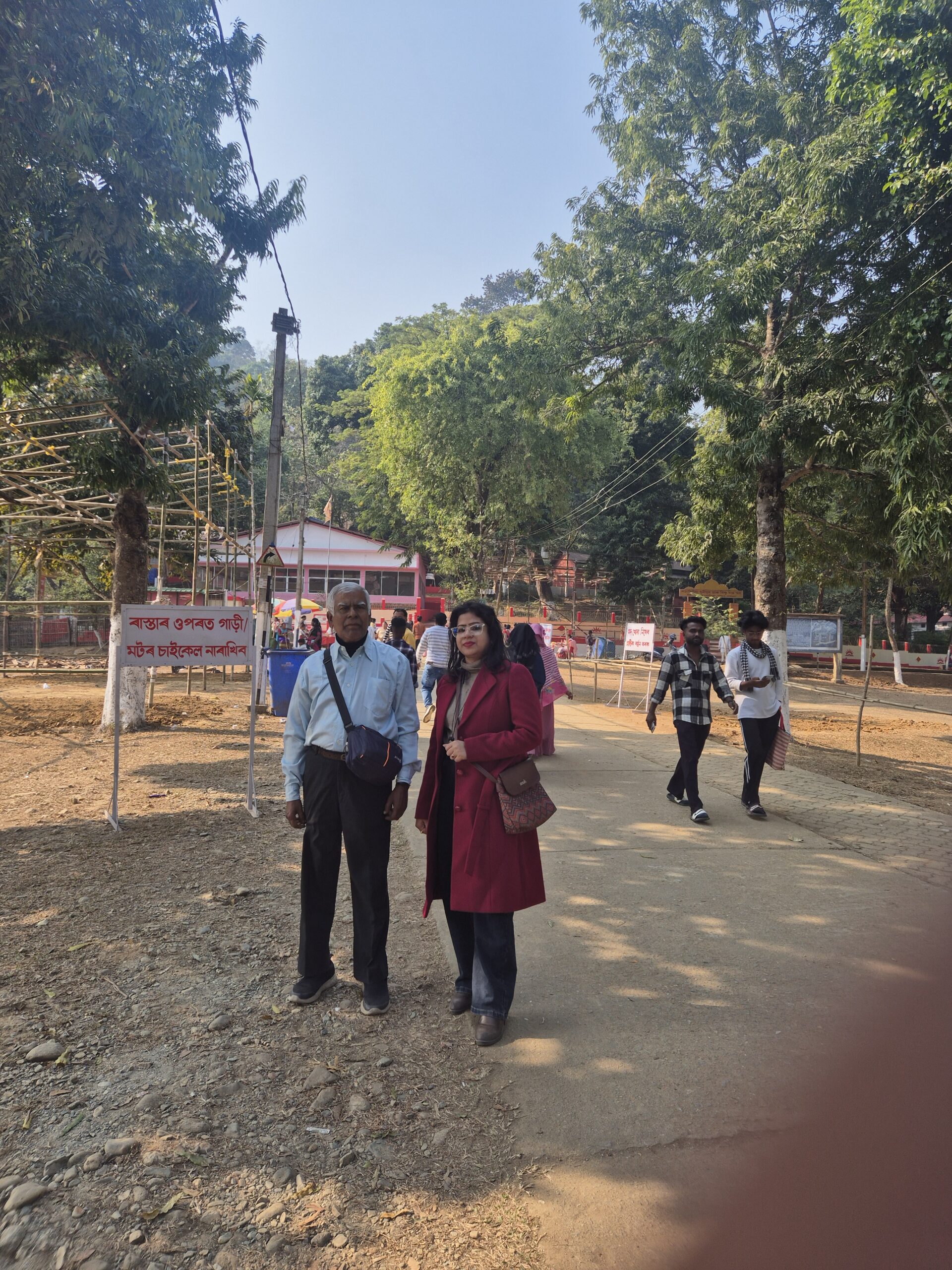
My father and I went to Sri Surya Pahar, which enhanced the experience emotionally. He talked about how these cultural sites show the continuity of our civilisation as we explored the archaeological remnants. Stone engravings endure as silent historical witnesses over generations.As someone who works in communication and documentation, the visit gave me the chance connect my research with personal memories. I had a great deal of respect for the artists who sculpted religion into the stone as I stood in front of statues that were centuries old.
Research Scope at Sri Surya Pahar
For researchers, Sri Surya Pahar offers multidisciplinary opportunities:
Archaeological Research
- Study of early medieval temple architecture in Assam
- Analysis of sculptural style and iconography
- Excavation-based study of settlement patterns
Religious and Cultural Studies
- Examination of religious coexistence
- Spread of Jainism in Northeast India
- Evolution of Sun worship traditions
Historical Geography
- Trade routes and connectivity of Goalpara region
- Strategic placement of religious centers
Conservation Studies
- Preservation challenges of rock-cut sculptures
- Impact of weathering and human activity
- Sustainable heritage tourism models
Given its vast research potential, Sri Surya Pahar deserves more academic attention at national and international levels.
Conservation and Tourism Potential
Despite its immense historical value, Sri Surya Pahar is still relatively lesser known compared to other archaeological sites in India. The Archaeological Survey of India (ASI) has undertaken preservation measures, yet there remains scope for:
- Improved interpretation centers
- Detailed signage for researchers and tourists
- Digital documentation and 3D mapping
- Academic collaborations with universities
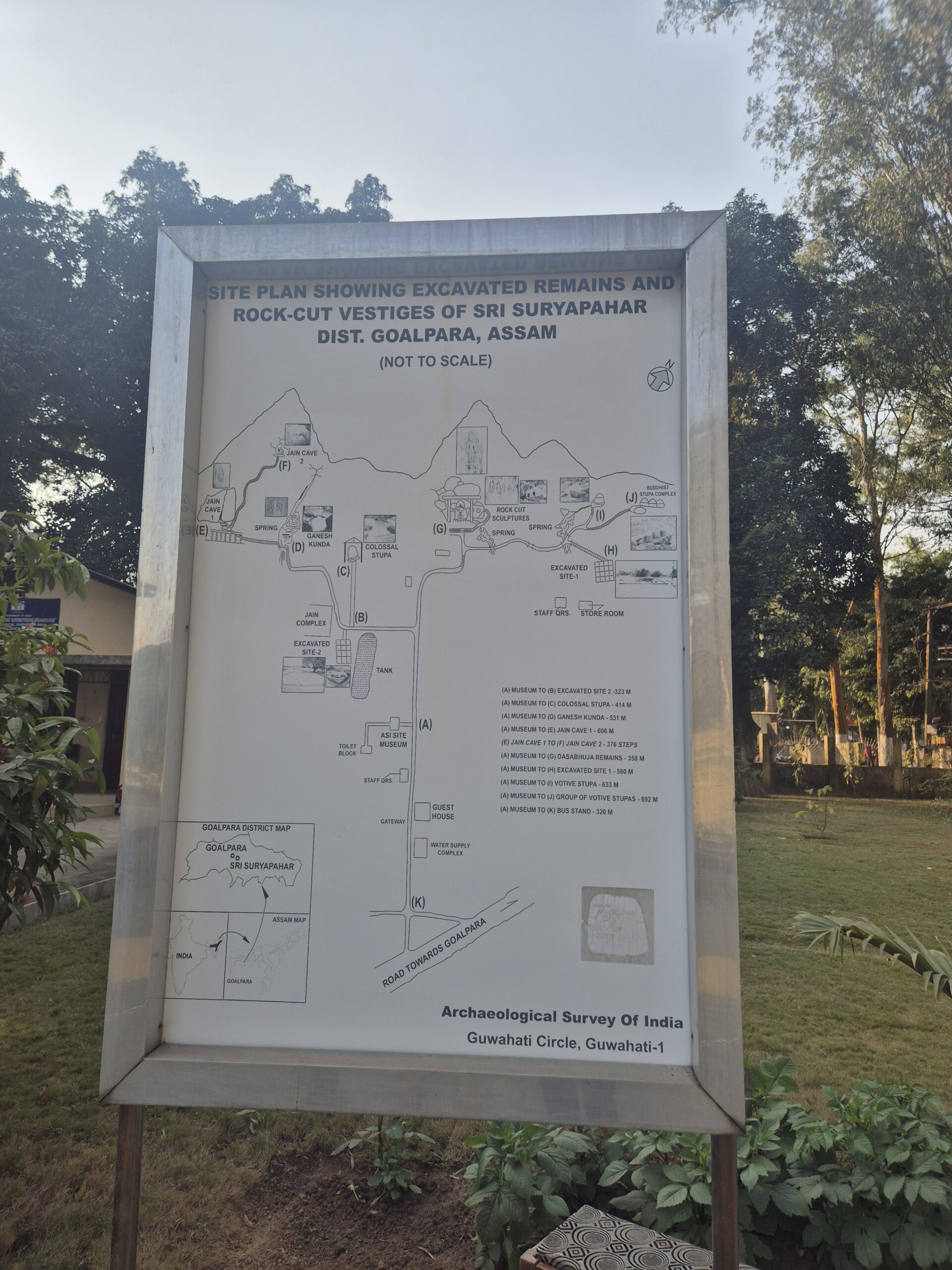
Promoting Sri Surya Pahar responsibly can boost heritage tourism in Goalpara district while ensuring conservation of its archaeological integrity.
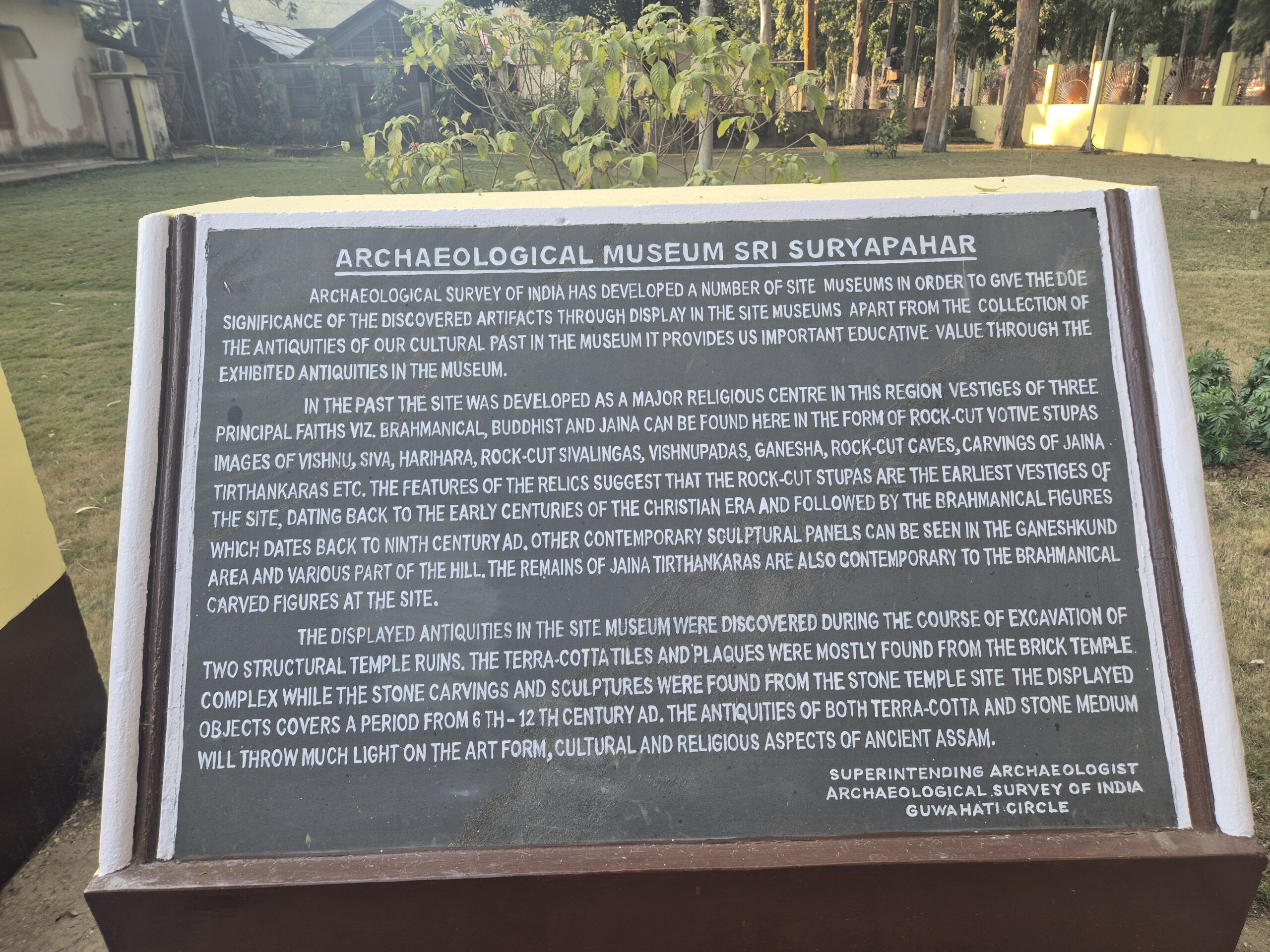
Observations on Visitor Experience
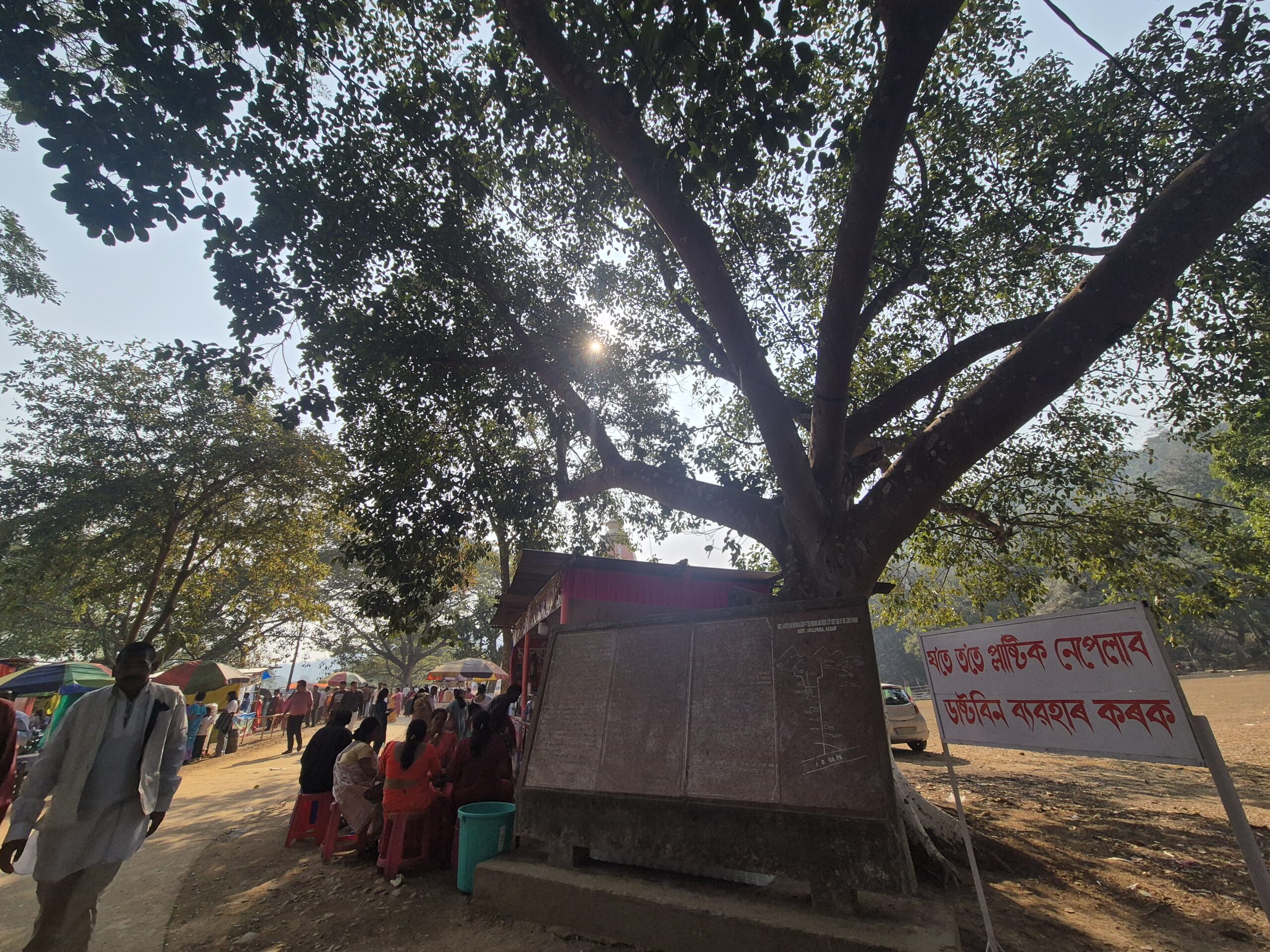
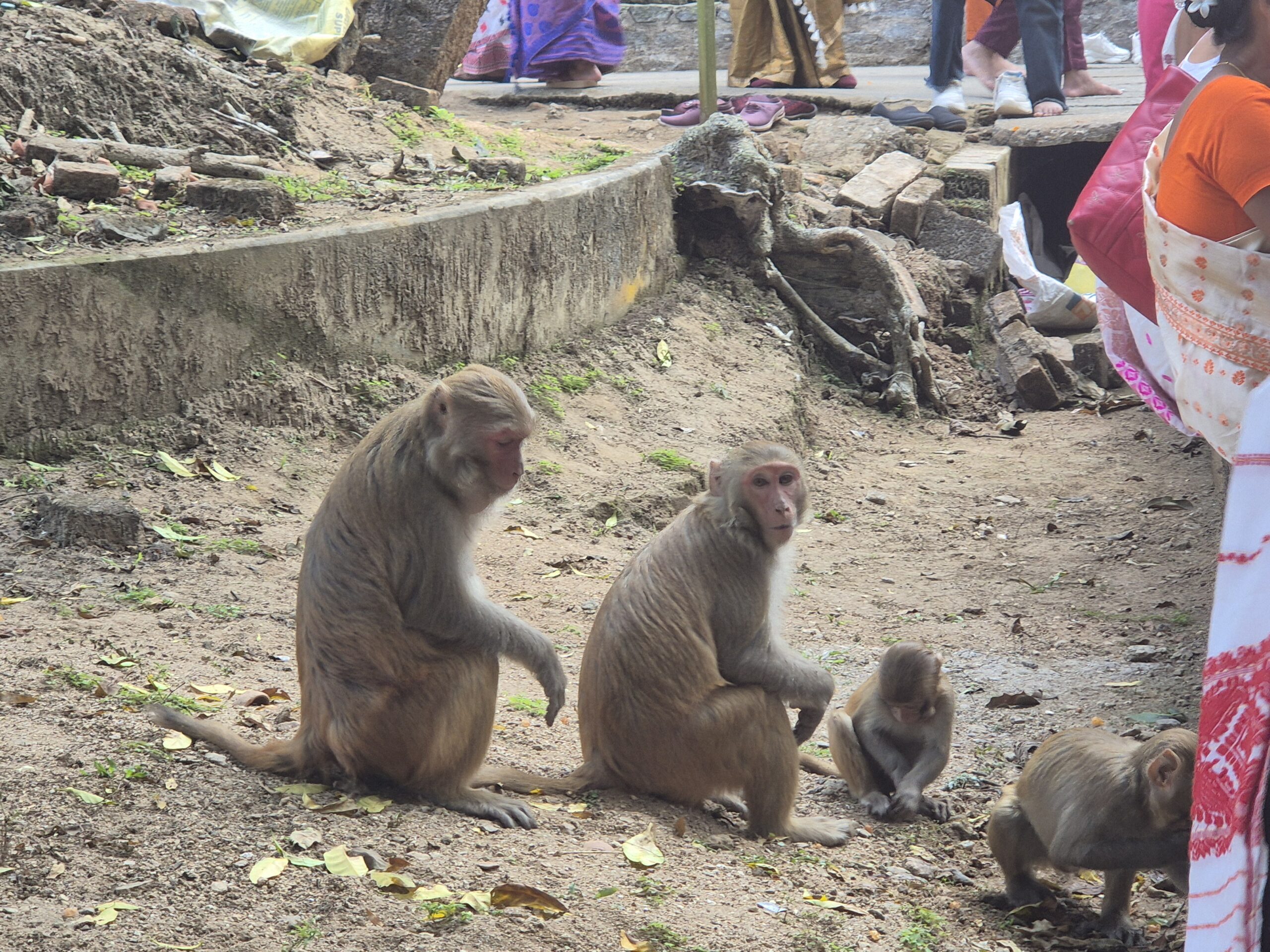
During our visit on 18th January 2026, the site was calm and serene. The winter weather made exploration comfortable. The pathways were accessible, though more structured research facilities such as on-site documentation centers would benefit scholars.
For students and research scholars planning fieldwork, Sri Surya Pahar provides:
- Accessible terrain for study
- Visible sculptural remains for documentation
- Ample scope for photographic and iconographic analysis
Why Sri Surya Pahar Matters Today
Sri Surya Pahar is a strong symbol of harmony in a period when disputes about identity and tradition are frequently divisive. The assumption that ancient India fostered diversity is further supported by the existence of Hindu, Jain, and probably Buddhist elements at a single location.Sri Surya Pahar is more than just an archaeological site for Assam; it is a cultural treasure that strengthens historical pride and regional identity.
Conclusion
My visit to Sri Surya Pahar on 18th January 2026 was both academically enriching and personally meaningful. As an archaeological site in Assam, Sri Surya Pahar offers invaluable insight into early medieval religious practices, architectural styles, and cultural interaction.
There is still a lot of research promise at Sri Surya Pahar for scholars, researchers, students, and lovers of history. It is a location where stone tells centuries-old tales of sharing, art, and faith.
Protecting a part of Assam’s cultural heritage for future generations is the goal of preserving and promoting Sri Surya Pahar, not only the ruins.
you can also see the link of https://en.wikipedia.org/wiki/Sri_Surya_Pahar
you can contact us http://sangeetablog.in
distance from Bongaigaon to Goalpara sri surya pahar is approximately 57 to 60 km.
go and visit.
thank you .